
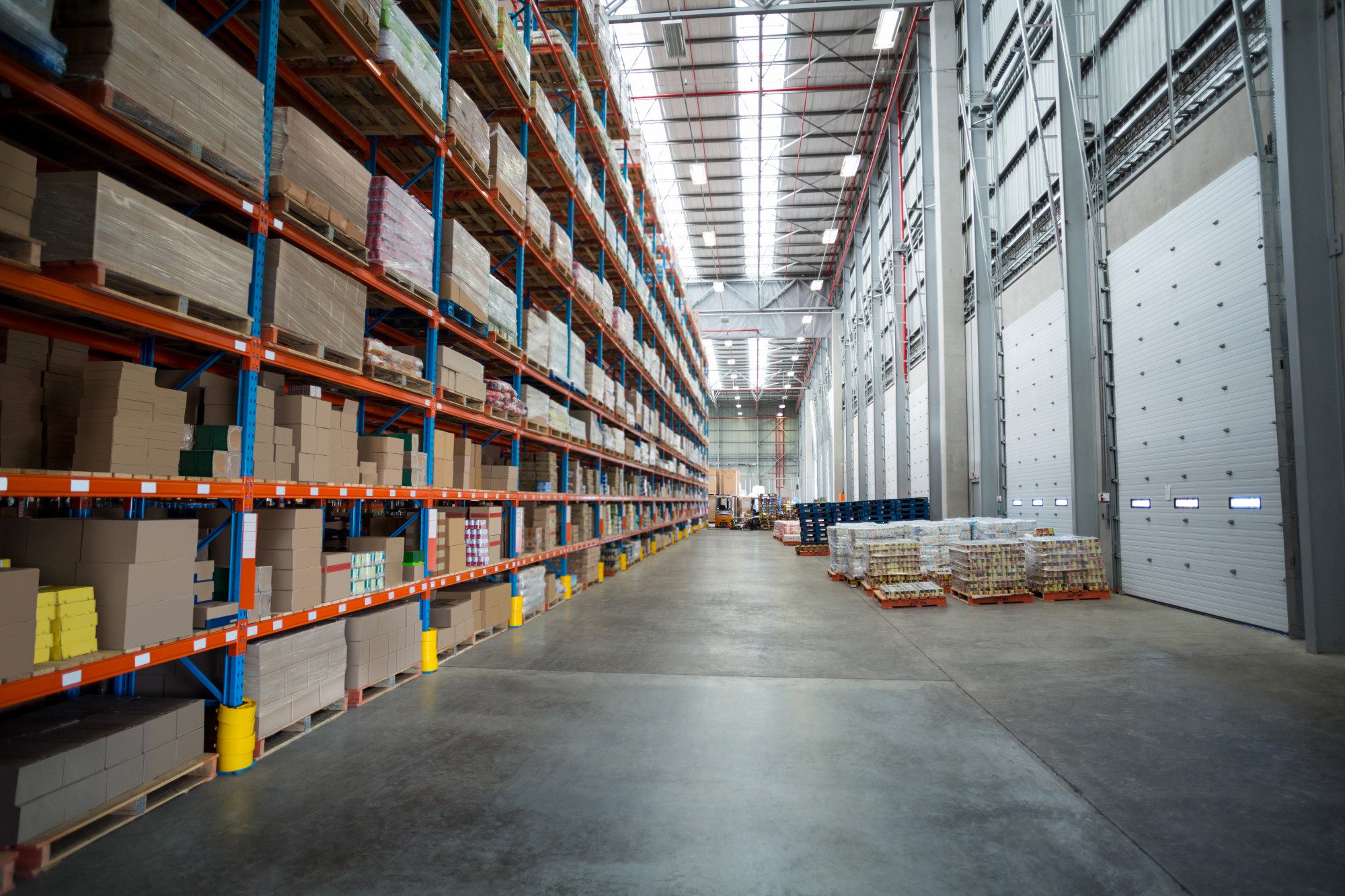
Role of Automation, IoT & AI in Logistics
In today’s fast-paced supply chain, smart warehousing technology is transforming the way businesses store, manage, and move goods. With the integration of warehouse automation solutions, IoT in warehouse logistics, and AI-driven logistics automation, companies are building more intelligent warehousing systems that reduce costs and increase efficiency.
Core Concepts & Technologies
Modern warehouses rely on automation and robotics in warehousing to improve speed and accuracy. From IoT-enabled warehouse management systems to AI in inventory management, technology ensures real-time monitoring and decision-making. Businesses now use real-time warehouse tracking IoT devices and robotic picking systems to handle high-volume orders with precision.
Benefits & Use Cases
One of the biggest advantages of warehouse automation solutions is predictive maintenance in warehouses, which reduces downtime. Companies see higher warehouse efficiency with AI, improved accuracy, and faster deliveries. The automation benefits in supply chain also include smart inventory forecasting, helping businesses reduce overstock and shortages.
Additionally, warehouse automation ROI is clear with reduced labor costs logistics automation and error reduction via robotics, making processes both cost-effective and reliable. Energy optimization tools are also enabling energy-efficient warehousing practices.
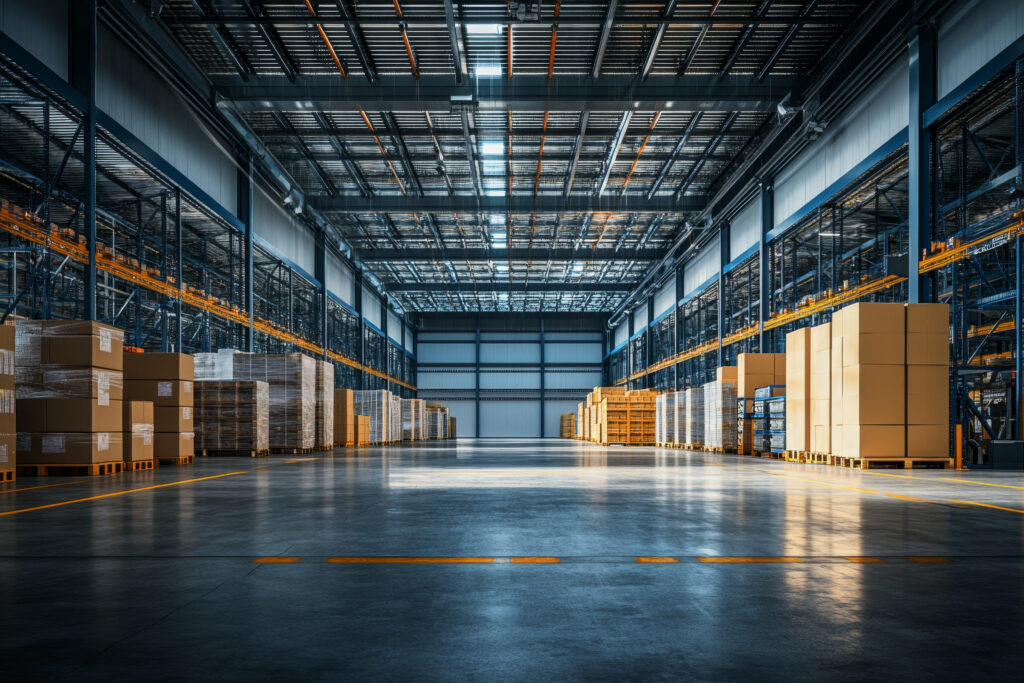
Technologies & Tools Driving the Change
The rise of Autonomous Mobile Robots (AMRs) and Automated Guided Vehicles (AGVs) has revolutionized automation and robotics in warehousing. Advanced Warehouse Management System (WMS) AI helps streamline tasks, while RFID and sensor-based tracking improves visibility across supply chains.
Other innovations like voice-directed warehousing systems, AR/VR in warehouse operations, and digital twins for logistics are becoming mainstream. Businesses are also exploring cloud-based warehouse analytics, blockchain for supply chain traceability, and 5G-enabled smart warehouses for better connectivity and performance.
Trends & Industry Applications
The future of smart logistics is defined by AI, IoT, and robotics. Reports on smart warehousing in 2025 predict massive growth in e-commerce warehouse automation and sustainable smart warehousing.
Global players are already leading the way—Amazon warehouse robotics is a great example of how intelligent warehousing systems can transform operations. Similarly, smart warehousing in retail is streamlining supply chains with automation trends in logistics that focus on efficiency and sustainability.
Conclusion
The integration of smart warehousing technology, IoT in warehouse logistics, and AI-driven logistics automation is not just a trend—it’s the future. By leveraging warehouse automation solutions, companies can unlock efficiency, accuracy, and cost savings. With intelligent warehousing systems, businesses are moving towards a future of faster, smarter, and more sustainable supply chains.